If your municipality or contracting operation has a CCTV inspection system, chances are you’ve run into this pattern: someone gets trained, they run the equipment for a while, then they move to a different role or leave the department entirely. Eight months later, nobody left on staff remembers how to operate the system, and you’re back to square one.
Why CCTV Programs Fall Short
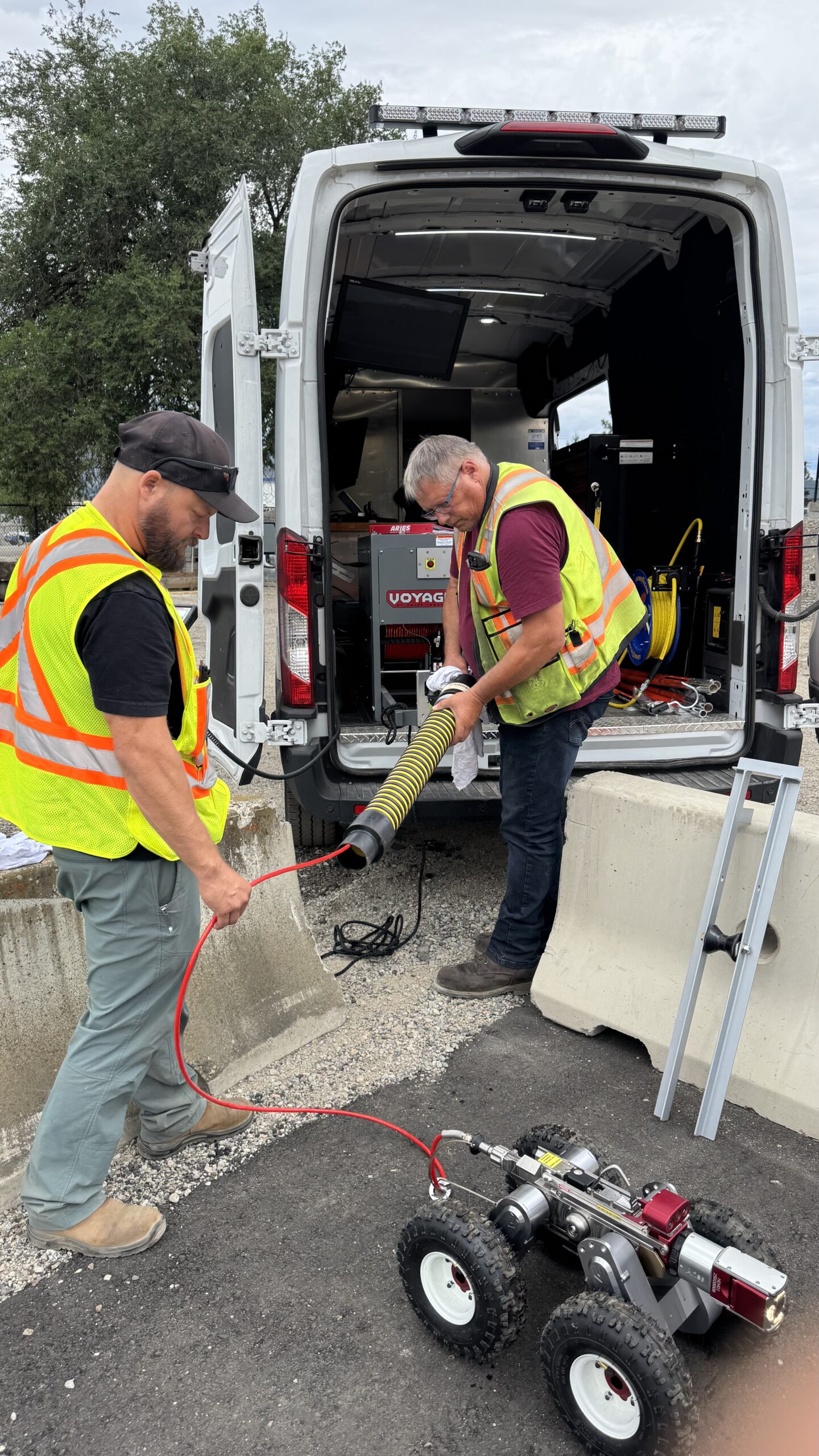 Buying the right equipment and sending staff to training are important first steps, but they don’t create a sustainable program on their own. The bigger question is what happens after the training is over. Who else knows how to use the system? Where can operators go when they have questions? Are inspections being performed consistently, and is the information being captured in a way that can actually be used for maintenance and asset management?
When those pieces aren’t in place, even a well-trained crew can struggle to keep a program going. The equipment isn’t the weak link. The challenge is making CCTV inspection part of the department’s regular workflow rather than something that depends on one or two people knowing how to do it.
What a Real CCTV Program Looks Like
- Documentation that outlives any one operator.
Quick-start guides for your specific equipment shouldn’t live in one person’s head or in a manual that gets buried in a filing cabinet. They should be built for someone who’s never touched the system before and needs to be productive in under an hour. - Video-based refreshers, not just one-time training
A week of hands-on training is valuable, but it fades. A short video series that operators can revisit before a job (not just during onboarding) closes the gap between “trained once” and “still competent eight months later.”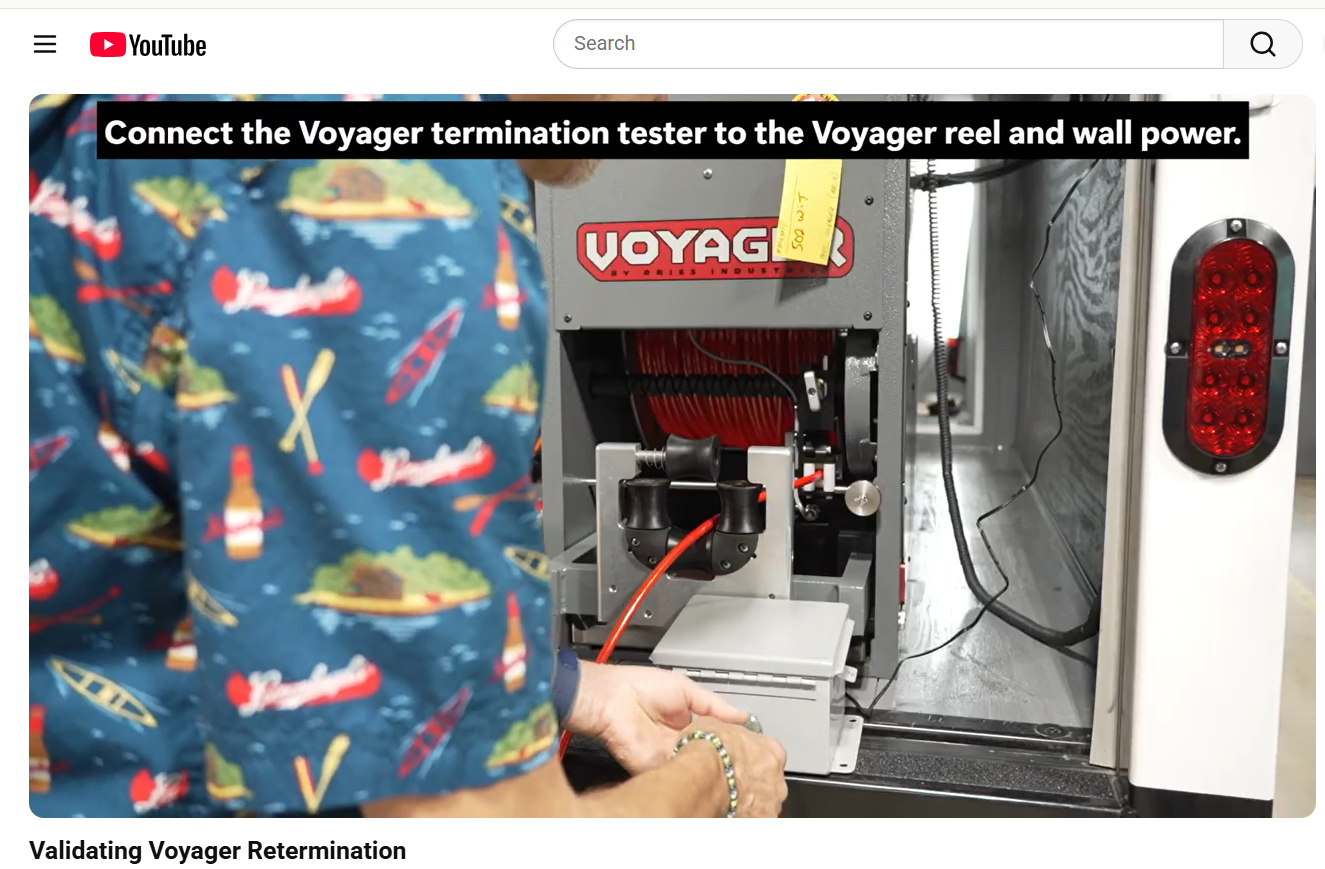
Did You Know? Aries provides a robust set of training videos, accessible via our Youtube channel.
- A designated point of contact.
Programs that survive turnover usually have one person (or a small team) formally responsible for equipment knowledge, even if operating it isn’t their full-time job. That person becomes the institutional memory the program depends on. - A relationship with your equipment provider, not just a transaction.
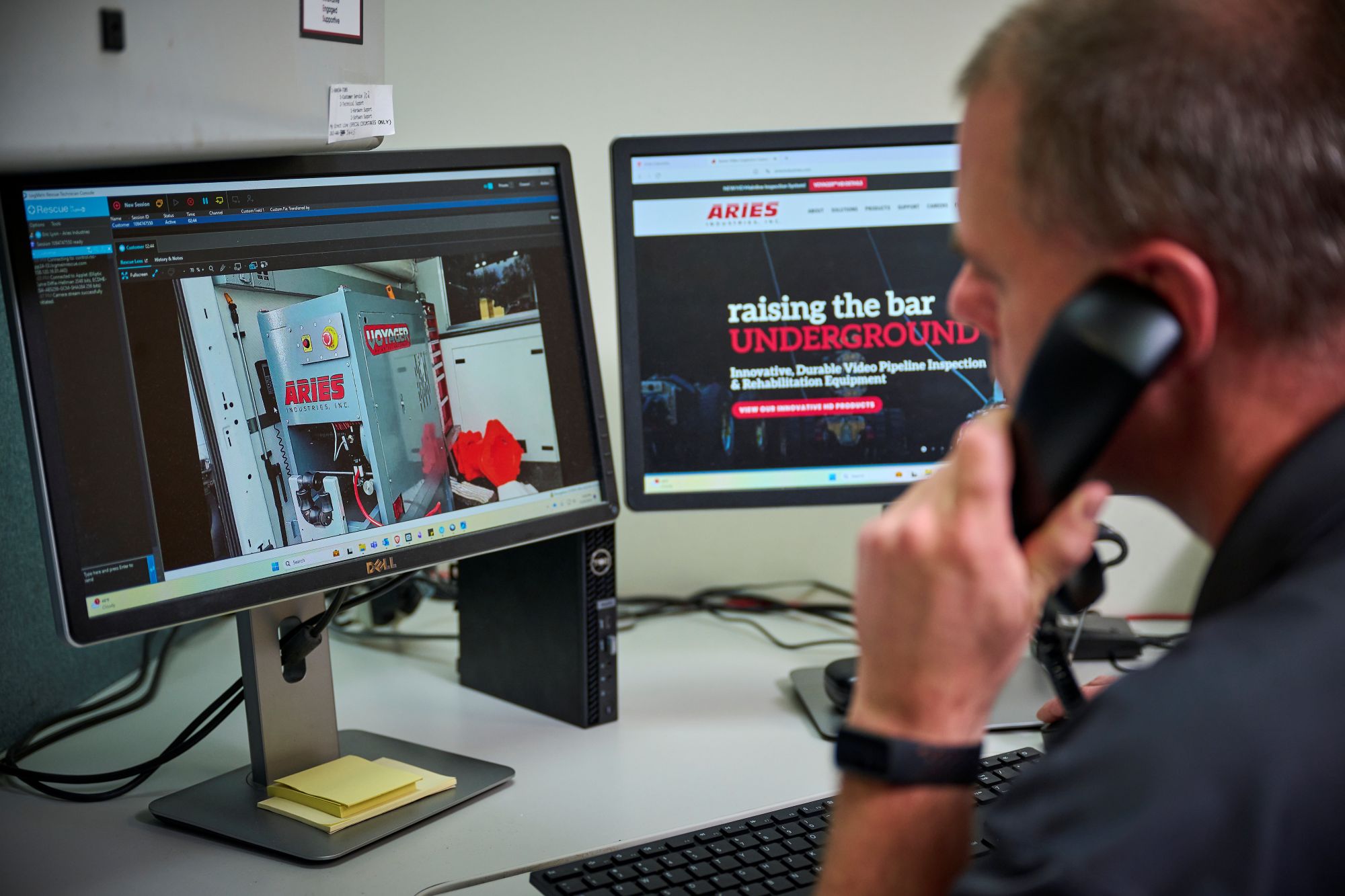
This is where support after the sale matters more than almost anything else. Loaners while equipment is being serviced, quick-turn repairs, accessible parts, and ongoing training support all reduce how much any single knowledge gap can derail your program. A provider who treats the sale as the finish line isn’t setting you up for long-term success a partner who stays in the loop is.
Did You Know? Aries provides robust after-the-sale support through our Total Support Program.
 Preventative maintenance built into the routine.
Simple habits like keeping equipment clean, routine cable care prevent a huge share of the “why isn’t this working” calls that stall a program. These are usually the “field tips” that never make it into an official manual but make the biggest difference in day-to-day reliability.
How to Shift from to a Proactive CCTV Program
This isn’t only about avoiding downtime, it reflects a broader shift happening in municipal infrastructure management: moving from reactive to proactive. A CCTV program that functions well is what lets a municipality catch problems before they become the kind of failure that costs tens of thousands of dollars in emergency repairs, overtime labor, and re-paving.
A well-maintained CCTV program is the key to make proactive infrastructure management possible.
Where to Start
If your program has stalled out before, you don’t need to start over from scratch:
- Ask your equipment provider for current quick-start materials and training video resources
- Identify (or re-establish) one point of contact responsible for equipment knowledge
- Build a simple preventative maintenance checklist your crew can follow without needing to be a specialist
- Talk to your provider about ongoing training support, not just the initial onboarding session
Kickstart your CCTV program with the right equipment partner. Reach out to Aries Industries to learn about our inspection equipment and how we deliver ongoing resources and support after the sale.
Get in Touch