When it comes to pipeline rehabilitation, liners are only as good as the host pipe it’s installed in. Roots, mineral deposits, offsets, and protruding taps can all interfere with proper liner installation. If these issues aren’t addressed before lining, you risk folds, improper curing (areas of the liner that don’t fully harden), and premature liner failure.
That’s why pre-lining preparation is one of the most important steps in rehabilitation.
Common Obstructions That Undermine Lining
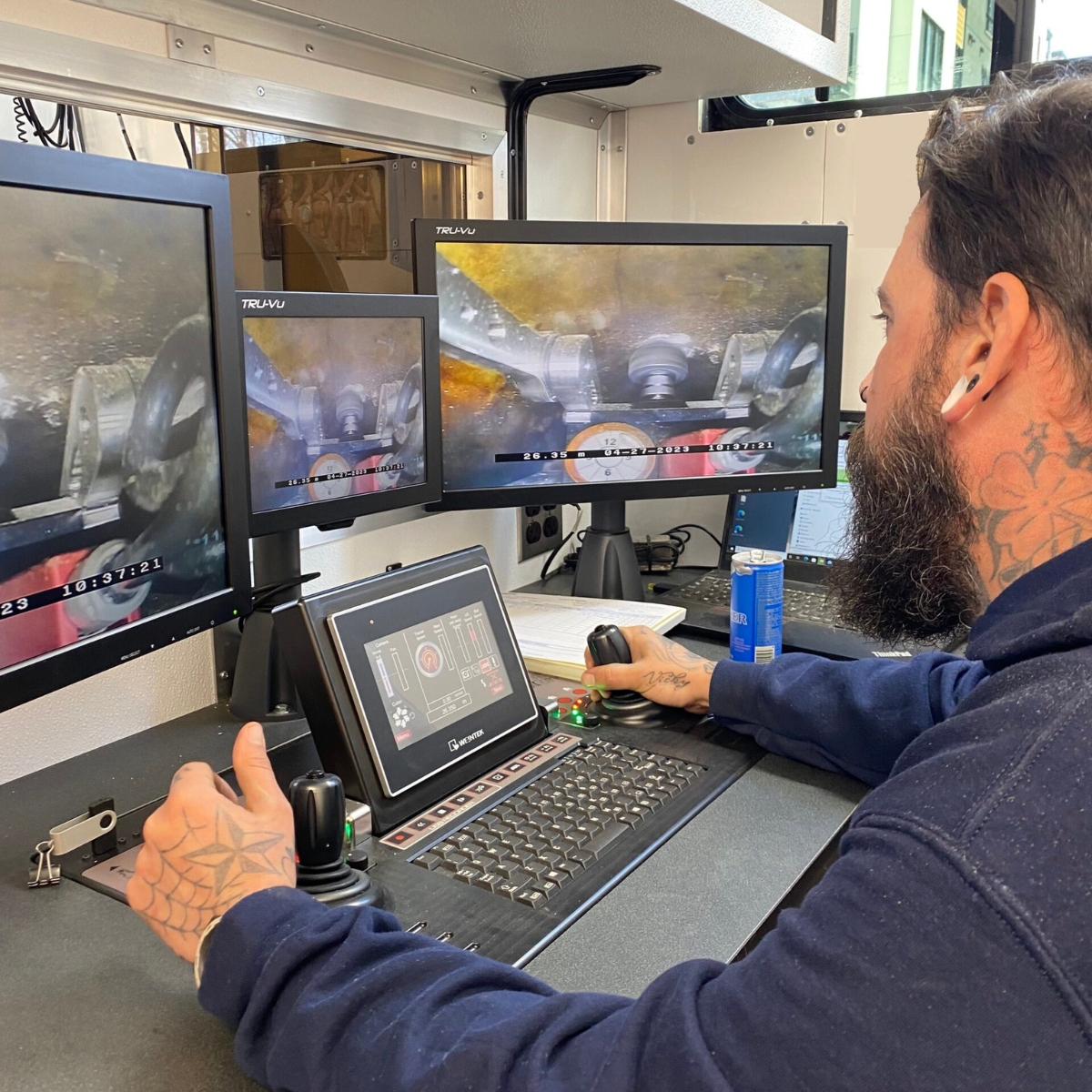 ROOTS
ROOTS
Tree roots seek out moisture and nutrients, often breaking through cracks in pipes. These need to be removed prior to lining install.
SCALE
Mineral buildup on pipe walls creates uneven surfaces and reduces hydraulic capacity, reducing pipe diameter. Scale can lead to voids or folds that compromise the structural integrity of the liner installation process. Grinding scale away restores pipe capacity and ensures a clear surface.
PROTRUDING TAPS
Service connections that extend into the mainline must be cut flush before lining an unobstructed surface for lining. Removal also ensures access for cleaning and inspections post-liner installation.
OFFSETS
Ground shifts and over time, pipes can get out of alignment. These must be re-shaped to blend offsets through grinding. Lining without addressing offsets compromises the ability to send cleaning or inspection equipment through and inhibits flow.
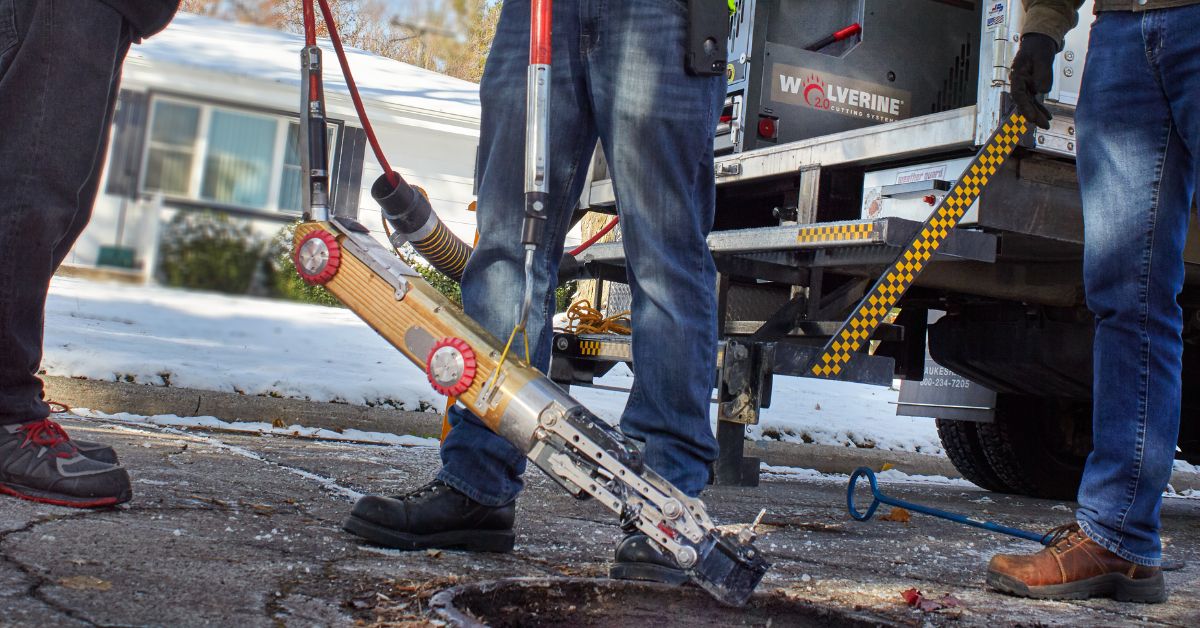
The Solution: Wolverine® 2.0 Robotic Cutting System
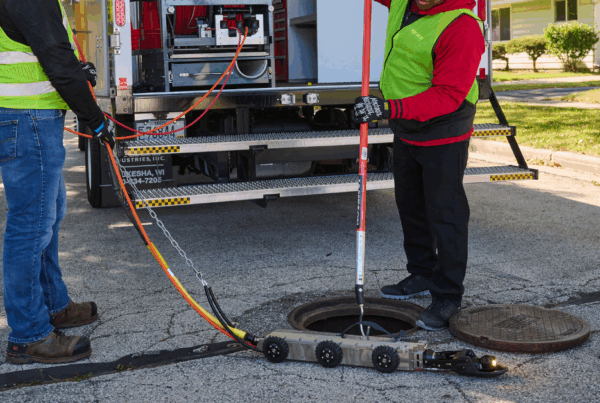
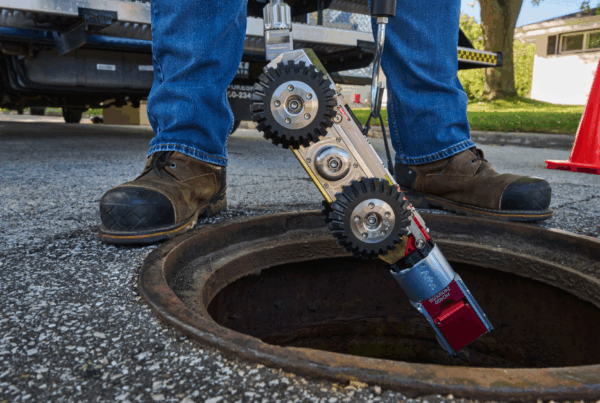
 Aries’ Wolverine® 2.0 Self-Propelled, Robotic, Electric Cutting System is built to handle these challenges. With powerful, precise cutting tools, Wolverine clears roots, scale, offsets, and intruding taps to restore a clean, uniform pipe surface.
Benefits include:
- Robotic Operation: Many municipalities require this for dealing with obstructions.
- Versatility: Cuts through multiple pipe materials and diameters.
- Accuracy: Removes obstructions without damaging the host pipe.
- Efficiency: Eliminates the need for excavation, saving time and cost.
- Control: Programmable speed and torq enables more precise operation.
- Electric: Ease-of-use; fuel efficiency; reduced noise
By starting with Aries Wolverine 2.0 Cutting System, contractors ensure liners are installed correctly and perform for decades.
Inspection + Cutting = Long-Term Success
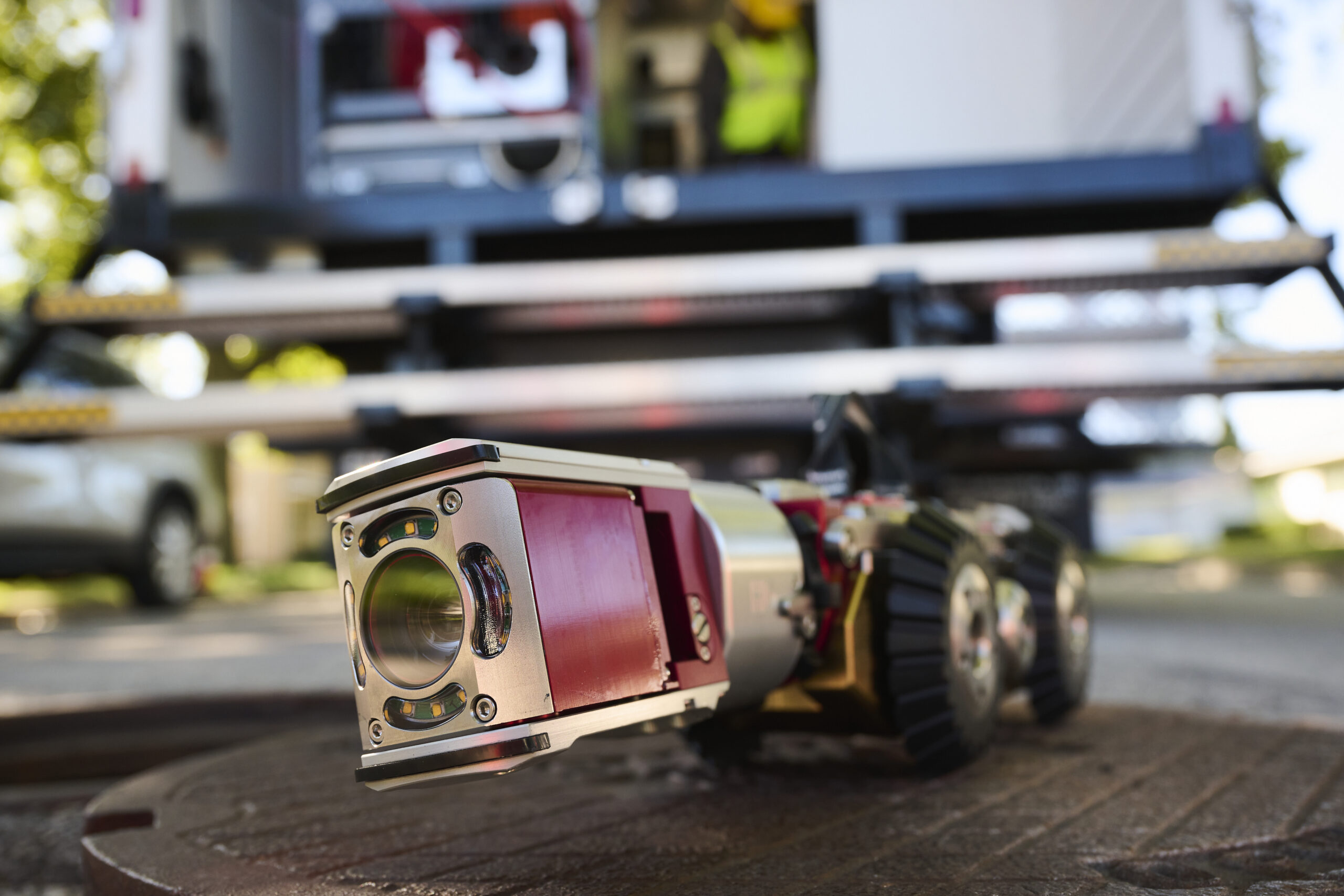 Pre-lining prep is most effective when paired with detailed inspections. Aries’ inspection systems provide operators with the insights they need to target obstructions:
- Voyager™ HD Mainline Inspection System: Delivers HD video to locate and document roots, scale, or taps in mainlines.
Together, Voyager HD and Wolverine 2.0 give crews a complete toolset for successful rehabilitation.
Pro Tip: Always inspect both before and after cutting. Initial inspection identifies problem areas, while follow-up inspection confirms that the pipe is fully prepped and ready for liner installation.
Skipping prep work before lining is like painting over a dirty wall—it won’t hold up. With Aries’ inspection and cutting solutions, you can eliminate obstructions, ensure a smooth liner installation, and extend the life of your rehabilitation projects.
Connect with Aries today to schedule a demo of our inspection and cutting systems.